 comparison
Choosing Between Audio Platforms 2026: A Comparison
Table of Contents
- Audio Platforms Compared: What Matters in 2026
- Quick Comparison Table
- Curated vs Algorithmic Audio Discovery
- Audio Platform Revenue Sharing Models Explained
- Audio Quality and High-Fidelity Support
- Is Monthly Subscription Worth It for Your Needs
- Cross-Device Compatibility and Offline Listening
- Privacy, Data Usage, and Accessibility Features
- How to Choose the Right Platform for You
- Frequently Asked Questions
Last Updated: September 2, 2026
Audio Platforms Compared: What Matters in 2026
Choosing between audio platforms in 2026 means navigating a landscape where your options range from massive music catalogs to specialized niche libraries. The decision isn't just about what's available, it's about what actually matches how you listen, what you value, and whether you want to support independent creators or rely on algorithmic recommendations.

The audio streaming market has fragmented considerably. Five years ago, the choice felt simpler: pick Spotify or Apple Music and move on. Today, the calculus is different. You might care about high-fidelity audio quality, creator revenue sharing, mood-based discovery instead of rigid tags, or the ability to own content outright rather than rent it. Each platform prioritizes different things, and that's where the real differences emerge.
This guide from hush breaks down the major players and what makes each one worth considering. We'll examine how platforms approach audio discovery, what their business models mean for creators, the quality standards they maintain, and the practical features that affect daily listening. By the end, you'll know exactly which platform aligns with your priorities, whether that's supporting independent voice actors and writers, accessing lossless audio, or simply finding content that matches your mood.
Quick Comparison Table
| Platform | Best For | Key Strength | Starting Point |
|---|---|---|---|
| hush | Independent audio erotica listeners | Creator revenue sharing (70% to creators) | Free tier available |
| Spotify | Music discovery and podcasts | Algorithmic recommendations and massive catalog | $12.99/month (Premium) |
| Apple Music | Apple ecosystem users | Lossless and spatial audio quality | $11.99/month |
| Audible | Audiobook enthusiasts | Largest audiobook catalog and ownership model | $7.95/month (Plus) |
| Patreon | Creators and niche communities | Direct creator support and community tools | 10% platform fee |
Curated vs Algorithmic Audio Discovery
The way you find content on an audio platform shapes your entire experience. Two fundamentally different philosophies dominate: algorithmic discovery and curated discovery.
Algorithmic recommendations use your listening history, saved items, and behavior patterns to predict what you'll enjoy next. Spotify built its reputation on this approach. The algorithm learns your taste and surfaces songs, playlists, and podcasts you never knew existed but somehow fit perfectly. Apple Music has invested heavily in algorithmic recommendations as well, though many users report the system sometimes feels less intuitive than Spotify's.
Curated discovery relies on human editors making deliberate choices about what to feature and how to organize content. hush takes this approach with its mood-based filtering system. Instead of searching by rigid genre tags or letting an algorithm guess what you want, you browse by how you want to feel, relaxed, energized, introspective. Editors refresh the library weekly, ensuring that what's featured reflects genuine quality and intent rather than algorithmic optimization.
The practical difference: algorithmic platforms excel at serendipity and breadth. You discover unexpected artists and content you wouldn't have found yourself. Curated platforms offer intentionality and trust. You know a human has vetted what's available, which matters when you're looking for a specific mood or quality standard rather than endless options.
Neither approach is objectively superior, it depends on whether you want a guide or a mirror of your own taste.
Audio Platform Revenue Sharing Models Explained
How a platform pays creators fundamentally shapes what content exists and who can afford to produce it. This is where choosing between audio platforms becomes an ethical question, not just a feature question.
Most mainstream platforms use a per-stream payment model. Spotify, Apple Music, and similar services pay rights holders a fraction of a cent per stream. The exact amount fluctuates, but it's typically between $0.003 and $0.005 per stream (peer-reviewed research). For independent creators, voice actors, musicians, podcasters, this model creates a math problem: you need thousands of streams to earn meaningful income.
hush operates on a subscription revenue-sharing model instead. Seventy percent of subscription fees go directly to creators. This means every listener who subscribes directly funds the people making the content, regardless of how many times their work gets played. The model aligns incentives: creators benefit when subscribers enjoy their work and keep paying, not when algorithms maximize play counts.
Patreon functions as a direct-to-fan platform where creators set their own pricing and keep a percentage after platform fees. This gives creators maximum control but requires them to build and manage their own audience independently.
The revenue-sharing difference matters if you care about supporting independent artists. A subscription to hush guarantees that 70% reaches creators. A subscription to Spotify means your money gets distributed across the entire platform based on streaming metrics, with independent creators receiving a tiny fraction unless they have significant play volume.
For listeners who prioritize supporting independent voice actors and writers, this distinction is decisive. For listeners who simply want to hear content without worrying about creator economics, it's less relevant.
Audio Quality and High-Fidelity Support
Audio quality exists on a spectrum, and most listeners never notice the difference. But if you care about it, the differences between platforms are stark.
Spotify streams at 320 kbps using the Ogg Vorbis codec for premium subscribers (spotify.com). This is considered "high-quality" by streaming standards, but it's still compressed. You're losing data compared to the original recording.
Apple Music offers lossless audio up to 24-bit/192kHz for premium subscribers at no extra cost (apple.com). This means you get the full audio file without compression. Apple also supports spatial audio with Dolby Atmos, which creates a three-dimensional soundscape. If you're listening on compatible Apple devices with good headphones, the difference is audible.
Audible focuses on audiobooks and spoken word content, where compression artifacts matter less than music. The platform prioritizes narration clarity over audio fidelity.
hush prioritizes voice acting and spoken narratives, where audio quality affects how immersive the experience feels. The platform supports high-quality audio that captures nuance in vocal performance and ambient sound design.
The practical reality: unless you're an audiophile with quality headphones and trained ears, you probably won't notice the difference between 320 kbps and lossless audio. But if you have a good audio setup and care about hearing every detail, Apple Music's lossless option is a tangible advantage.
For most listeners, audio quality ranks below discovery, pricing, and content selection. For audiophiles and people with invested audio setups, it's a primary decision factor.
Is Monthly Subscription Worth It for Your Needs
The question of whether a monthly subscription is worth it depends entirely on how much you listen and what you're paying for. But the real decision isn't just about cost, it's about whether the switching cost of moving platforms is worth the potential benefit of a better fit.
The True Cost of Switching Platforms
Most subscription cost analyses ignore the hidden switching cost: the time and friction required to move your library, playlists, and listening history from one platform to another. This friction is why many people stay on platforms they're not entirely satisfied with.
If you've spent two years building playlists on Spotify, your saved songs, custom playlists, and algorithmic recommendations represent real value. Switching to Apple Music or hush means either accepting that you'll lose this library or spending 2-4 hours exporting playlists, re-saving content, and rebuilding your saved library on the new platform. For casual listeners, this friction often outweighs the benefits of switching, even if another platform would be a better fit.
For people considering a switch, calculate the switching cost in time and effort:
- Exporting playlists: 30 minutes to 2 hours, depending on library size and whether you use third-party migration tools
- Re-saving content: 1-2 hours to rebuild your saved library on the new platform
- Rebuilding recommendations: 1-2 weeks of listening before the new platform's algorithm understands your taste
- Learning the interface: 30 minutes to 1 hour to become comfortable with the new platform's navigation and features
Total switching cost: 3-6 hours of active effort, plus 1-2 weeks of reduced recommendation quality while the algorithm learns your taste.
This is why platform loyalty is so strong. Even if you're 80% satisfied with Spotify, the switching cost might not be worth moving to Apple Music, even if you'd be 90% satisfied there. The 10% improvement doesn't justify 3-6 hours of work and two weeks of worse recommendations.
However, if you're only 60% satisfied with your current platform and another option would be 85% better, the switching cost becomes worth it. The key is being honest about your current satisfaction level and whether the alternative is genuinely better for your specific needs.
Subscription Cost vs. Listening Habits
A typical subscription costs between $7.95 and $12.99 monthly. That's roughly $100 to $155 per year. The value calculation shifts based on your listening habits and what you're getting.
If you listen for 30+ minutes daily, a subscription pays for itself through convenience and content access you wouldn't otherwise have. That's roughly 180+ hours of listening annually, or about $0.55-$0.86 per hour of listening. Most people spend more than that on entertainment.
If you listen 10-20 hours weekly, a subscription is almost certainly worth it. You're getting unlimited access to millions of songs or audiobooks for less than the cost of two physical albums monthly.
If you listen fewer than 5 hours weekly, the math becomes less compelling. You might be better served by the free tier with ads, or by purchasing individual content rather than subscribing.
Consider what you're trading off. Most platforms offer free tiers with limitations (ads, lower audio quality, restricted skips). The paid tier removes friction. You get unlimited skips, ad-free listening, offline downloads, and sometimes higher audio quality. For people who listen regularly, these conveniences are worth the cost. For people who listen casually, they're luxuries.
The Multi-Subscription Problem
Many people subscribe to multiple platforms simultaneously: Spotify for music, Audible for audiobooks, Apple Music for lossless audio, hush for independent audio content. That's $40-$50 monthly, or $480-$600 annually.
Before committing to multiple subscriptions, be ruthlessly honest about whether you'll actually use each one. A common pattern: people subscribe to three platforms and actively use one, passively use another, and forget about the third entirely. You're paying for convenience you don't use.
If you're considering multiple subscriptions, test each platform's free tier for at least two weeks before committing. Notice which platform you actually open first when you want to listen. That's your primary platform. The others should only be subscriptions if you have specific content needs they uniquely serve.
The Creator Support Angle
The subscription question also depends on whether you care about supporting creators. Most mainstream platforms use a per-stream payment model where creators earn fractions of a cent per play. Independent creators often struggle to earn meaningful income through these platforms.
If supporting independent creators matters to you, a subscription to hush (which shares 70% of subscription revenue with creators) delivers more direct creator support than a Spotify subscription (where your money gets distributed across millions of creators based on streaming metrics). From a creator-support perspective, you're making an ethical choice, not just a consumer choice.
For listeners who prioritize supporting independent voice actors and writers, this distinction is decisive. For listeners who simply want to hear content without worrying about creator economics, it's less relevant. But if creator support is part of your decision calculus, factor it into the cost-benefit analysis.
Cross-Device Compatibility and Offline Listening
Modern audio listening isn't confined to one device. You start on your phone, switch to your car, continue on your desktop, and finish on a smart speaker. Platforms that sync seamlessly across devices win. Platforms that force you to start over lose.
Spotify excels here. Your queue, playback position, and saved content sync instantly across iOS, Android, Windows, Mac, web, smart speakers, and gaming consoles. The cross-platform synchronization is nearly invisible, you pick up where you left off without thinking about it.
Apple Music integrates tightly with the Apple ecosystem. iPhone, iPad, Mac, Apple Watch, HomePod, and CarPlay all sync seamlessly. If you're fully in the Apple world, the experience is excellent. If you use Android or Windows, the experience deteriorates significantly.
Audible works across iOS, Android, web, and Alexa devices. Audiobook position syncs across devices, so you can switch from your phone to your car to your smart speaker without losing your place.
hush supports web and mobile platforms with seamless synchronization. Your listening history, saved content, and playback position sync across devices, ensuring you can pick up where you left off.
Offline listening, downloading content to listen without an internet connection, matters for people who commute, travel, or have spotty connectivity. Spotify Premium, Apple Music, Audible, and hush all support offline downloads. The number of downloads you can store varies by platform and subscription tier.
The practical difference: if you use multiple device types regularly, choose a platform with strong cross-device support. If you primarily listen on one device, this matters less. If you commute without reliable data, offline listening becomes essential.
Privacy, Data Usage, and Accessibility Features
Audio platforms collect data about what you listen to, when you listen, and for how long. That data fuels recommendations, helps them understand trends, and potentially gets sold to advertisers or shared with partners. Privacy practices vary significantly, and understanding them matters before you commit to a platform, especially if you're switching from another service.
Data Collection and Tracking Practices
Spotify collects extensive listening data to power its algorithmic recommendations. The platform tracks play counts, skip patterns, time of day you listen, and devices you use. Spotify shares anonymized data with partners and uses listening patterns to inform targeted advertising. If you're concerned about your listening habits being profiled for ad targeting, Spotify's data practices warrant careful review.
Apple Music emphasizes privacy as a differentiator. Apple claims it collects less listening data than competitors and doesn't use it for targeted advertising in the same way Spotify does. Apple's privacy commitments are tied to its broader ecosystem approach, your listening data stays within Apple's walled garden rather than being shared with external advertisers. However, if you use other Apple services (iCloud, Maps, Siri), your audio data can inform recommendations across those services.
Audible, owned by Amazon, integrates with your Amazon account. Your listening history influences Amazon recommendations across its ecosystem, books, products, and content suggestions. If you're concerned about cross-platform data sharing and behavioral profiling, this integration is a significant consideration.
hush prioritizes listener privacy as a core differentiator. The platform does not track or sell listening data to advertisers. Your subscription activity and listening history remain private and are not shared with third parties. This matters if you're listening to sensitive content you prefer to keep discreet, or if you have general concerns about behavioral profiling.
Switching Platforms Without Losing Your Library
One of the biggest barriers to switching audio platforms is the fear of losing your playlists, saved content, and listening history. Most guides ignore this friction point, but it's a decisive factor for people considering a move.
Spotify playlists can be exported using third-party tools like Playlisty or Soundiiz, which convert Spotify playlists into formats compatible with Apple Music, Audible, or other platforms. The process works, but it's manual and requires using external services. Spotify itself does not provide native export functionality.
Apple Music offers limited native playlist export. You can share playlists via link, but exporting your entire library to another platform requires third-party tools. Apple does not make library migration easy.
Audible does not support playlist export or library transfer. Audiobooks you've purchased remain in your Audible library; you cannot download them in a format compatible with other platforms. This is a significant lock-in factor if you've built a substantial audiobook collection.
hush allows you to export your saved content and listening history. If you decide to switch platforms, your library data is portable. This reduces switching costs and gives you more control over your content.
For users considering a platform switch, this matters significantly. If you've spent years building playlists and saving content on Spotify, moving to Apple Music or hush requires either accepting data loss or using third-party migration tools. Platforms that support native export reduce this friction.
Accessibility Features and Verification
Accessibility ensures people with disabilities can use platforms effectively. Screen reader support, keyboard navigation, and audio descriptions are not optional features, they determine whether a platform is usable for people with visual impairments, motor disabilities, or other accessibility needs.
Spotify offers screen reader support on iOS, Android, and web. Keyboard navigation works across platforms. However, some users report that the interface can be confusing for screen reader users, particularly when navigating playlists and recommendations.
Apple Music integrates with VoiceOver (Apple's screen reader) across iOS, Mac, and Apple Watch. The integration is generally strong because Apple builds accessibility into its OS-level frameworks. If you use Apple devices and rely on screen readers, Apple Music is typically more accessible than competitors.
Audible supports screen reader functionality and offers audio descriptions for some content. The platform is generally accessible, though some users report inconsistencies in how descriptions are implemented across titles.
hush supports standard accessibility features including screen reader compatibility and keyboard navigation. The platform's interface is designed with accessibility in mind, though specific accessibility testing results are not publicly documented.
If accessibility is a primary concern, test each platform's free tier with your specific accessibility needs. Screen reader compatibility, keyboard-only navigation, and audio description availability vary by platform. Contact platform support teams directly to verify that specific accessibility features you need are available and functional.
How to Choose the Right Platform for You
The decision comes down to three questions: What content do you want to access? What experience do you value most? And what are you willing to pay?
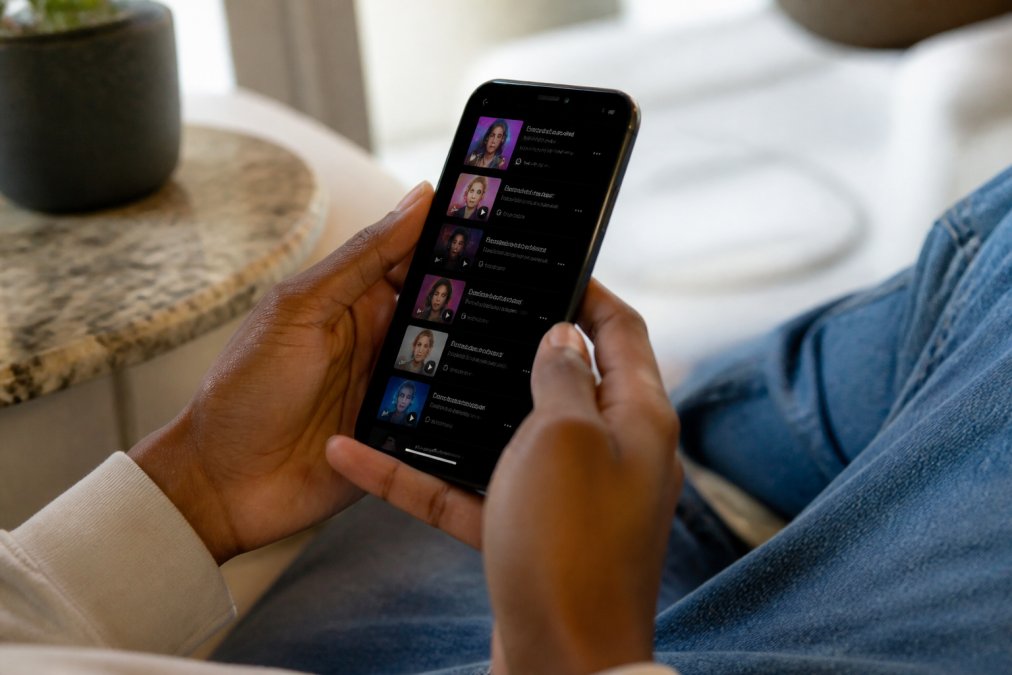
Start with content. If you want music discovery and podcasts, Spotify or Apple Music. If you want audiobooks, Audible. If you want independent audio erotica with high-quality voice acting, hush. If you want to support niche creators directly, Patreon or hush. Your content needs narrow the field immediately.
Then evaluate experience. Do you want algorithmic serendipity or curated discovery? Do you care about audio quality? Do you need seamless cross-device syncing? Does supporting creators matter ethically? Each platform excels in different areas. Spotify wins on algorithmic discovery. Apple Music wins on audio quality. hush wins on creator support and curated mood-based discovery. Audible wins on audiobook selection and ownership.
Finally, consider the cost-benefit math. What will you actually use? A subscription is only worth it if you listen regularly. If you're considering multiple subscriptions, be honest about whether you'll use each one enough to justify the cost. Many people pay for three subscriptions and actively use one.
The right platform isn't the one with the most features or the biggest catalog. It's the one that matches your listening habits, values, and budget. If you listen daily and value supporting independent creators, hush delivers that directly through its revenue-sharing model and curated approach. If you want algorithmic discovery and the largest music catalog, Spotify remains the best choice. If you're an Apple user who cares about audio quality, Apple Music makes sense. If audiobooks are your primary content, Audible is the obvious choice.
Test the free tiers before committing to a paid subscription. Most platforms offer free access with limitations. Spend a week with each platform's free tier and notice what you actually use. The platform that disappears into the background and just works for you is the right one, not necessarily the one with the most impressive feature list.
Frequently Asked Questions
Q: What should I prioritize when choosing an audio platform?
A: Prioritize based on your primary use case. If you want music discovery and broad content, algorithmic recommendations matter most. If you value supporting creators directly, revenue sharing models become critical. Audio quality (bitrate, lossless support, spatial audio) matters if you use high-end equipment. Cross-device compatibility, offline listening, and subscription cost also shape the decision. Consider whether you want curated editorial picks or algorithmic personalization, they fundamentally change the discovery experience.
Q: Is a monthly audio subscription worth it compared to free options?
A: That depends on your listening habits and values. Paid subscriptions remove ads, unlock higher audio quality (lossless audio, spatial audio), enable offline downloads, and often provide larger catalogs. Free tiers exist on some platforms but come with limitations. If you listen daily, value sound quality, or want to support creators through revenue sharing models, the monthly cost typically justifies itself. If you listen occasionally, free tiers may suffice, but paid options offer significantly better experience and creator compensation.
Q: How do audio platform revenue sharing models actually work?
A: Most platforms take a percentage of subscription revenue before paying creators. Hush allocates 70% of subscription fees directly to creators. Spotify and Apple Music pay per stream, which varies based on total streams and subscription revenue. Audible uses a credit system where audiobook purchases support narrators and authors. Patreon lets creators set their own pricing and keep earnings after platform fees. Understanding these models helps you support creators fairly if that's a priority in your choice.
Q: What's the difference between curated and algorithmic audio discovery?
A: Curated discovery means human editors select playlists and recommendations based on taste, mood, or theme, consistent but limited by human curation capacity. Algorithmic discovery uses machine learning to personalize recommendations based on your listening history, building a unique experience. Hush uses mood-based curation where editors refresh content weekly, offering both discovery and human judgment. Spotify excels at algorithmic recommendations. Apple Music balances both. Algorithmic can feel impersonal; curation can feel restrictive. Your preference depends on whether you want surprise or precision.
Q: Can I transfer my library and listening history between platforms?
A: Most platforms don't offer native migration tools, making switching costly in terms of lost history and playlists. Spotify has some third-party tools that help port playlists to other services, but listening history typically stays behind. Audible lets you own audiobooks permanently, so purchased titles transfer with you. Hush's library is stored in the cloud and accessible across devices. Before committing long-term, check if a platform's content library justifies being locked in, or prioritize platforms with strong offline download options for portability.
Choosing the right audio platform means acknowledging that no single platform does everything equally well. hush excels when you value independent creators, mood-based discovery, and privacy. Start listening free and see if the curated approach and creator-first model resonate with your listening style. Get started with hush and support the independent voice actors and writers behind the content you love.